No results found
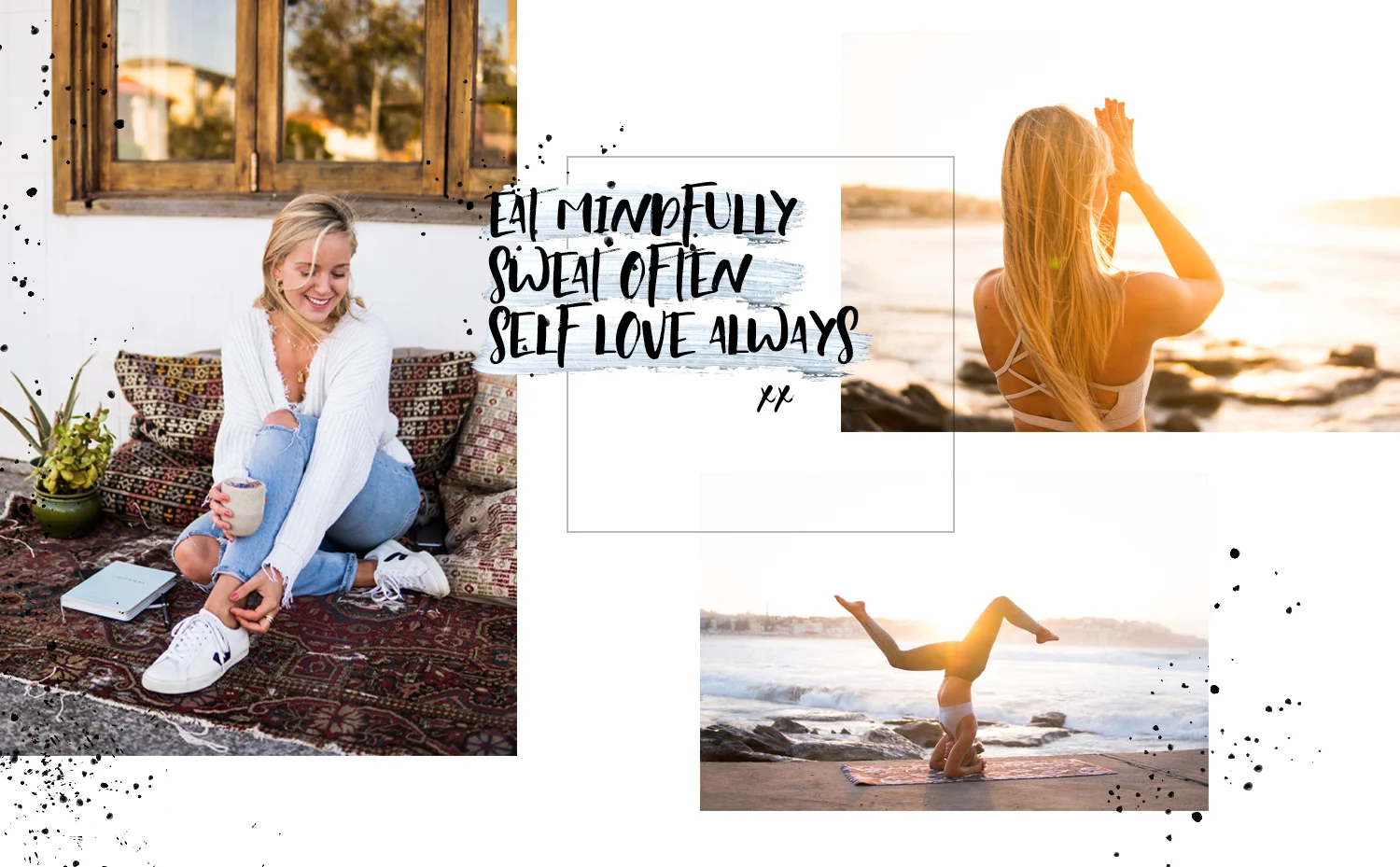
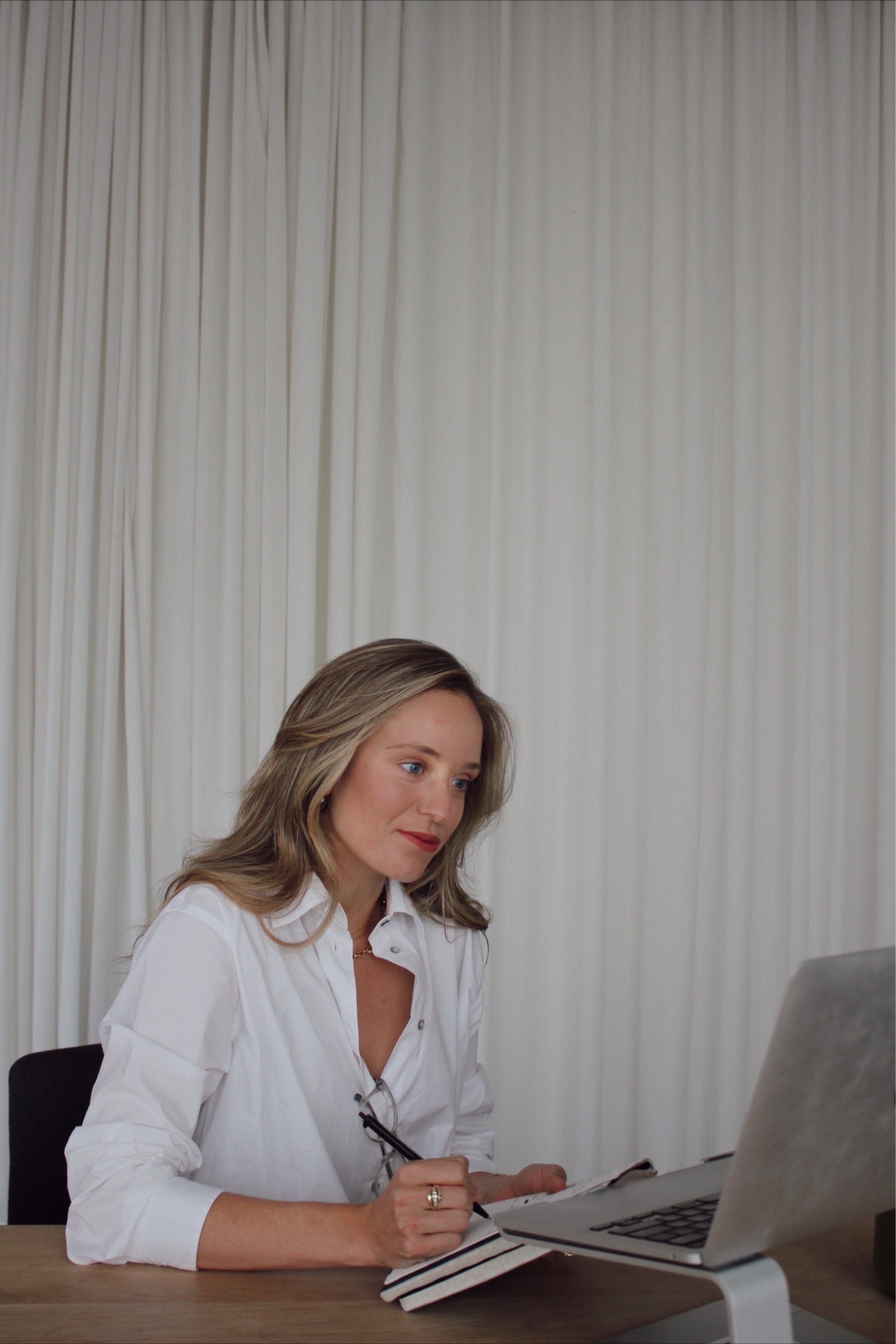
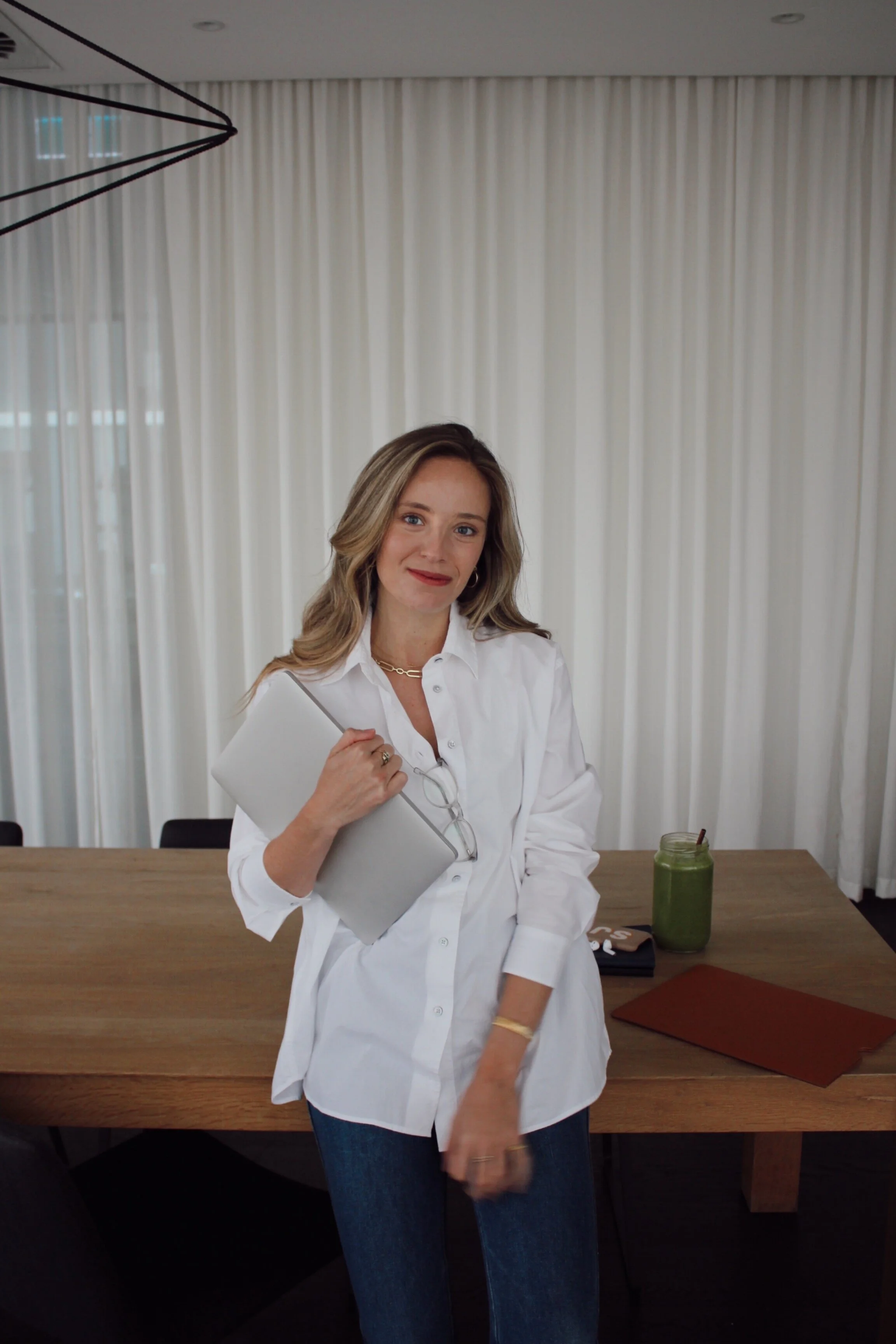
I'm Stef: Holistic Health Coach and your personal self love cheerleader. I get you, because I’ve been you.
After overcoming years of struggles in my relationship with food and body image, it is now my passion to help you heal, too. I understand the guilt, self-destructive behaviours and the unhealthy habits, because I've been there. I want to teach you to make peace with your plate and become the healthiest and happiest version of yourself. Because you deserve it.
HOW I CAN SUPPORT YOUR
FOOD AND BODY FREEDOM
Not sure if Discover Food Freedom is right for you? Take it for a test drive!

more freebies
Consider this version 2.0 to my first journaling eBook, designed to help you deep dive into the origins of your toxic food behaviour that is no longer serving you, so that you can free up space in your life for bigger and better things. If you enjoyed my first journal guide, then you will LOVE workshopping your way through this Emotional Eating Journal guide!


No results found
Latest From The Blog

The belief that food is addictive is deeply entrenched in diet culture. And I get it, when I myself was stuck in the disordered eating trenches, I genuinely thought that I was addicted to “junk food” and especially sugar (hello Ben & Jerry’s ice cream!) and that the only way out was complete abstinence. It felt like I could not allow myself even a tiny bite, because the second my taste buds got the sweet hit of sugar, all good intentions and willpower went out the window.
Everywhere we look, sugar and other kinds of “junk foods” are demonised. We are even told that sugar is more addictive than cocaine — I’m sure you've heard of those studies? Unfortunately, what happens when we buy into this story is that we become afraid of consuming these foods, and consequently label them as forbidden foods that are to be avoided at all cost.
There’s a few things I want to say on this topic to help you reframe your "I'm a food addict” story. But before I do so, I’d like you to ponder on a few questions:

If you’ve landed here, I’m guessing it’s because you’re trying to figure out if your relationship with food is a healthy one.
Chances are that if you’re thinking about this, it probably isn’t as balanced as it could be and it’s affecting your life in some shape or form.
And I wouldn’t blame you. Toxic diet culture and disordered eating is everywhere - so much so that we don’t realise the cumulative effect it has on us over the years. It’s so normal for people to say things like “I’m having a cheat day ” or to follow up their pizza order with “I worked out this morning - I earned this.”, as if they needed to justify themselves.
BLOG

Chances are, if we’re taking an all-or-nothing approach to food, we are likely doing this in other parts of life as well. This isn’t just about food. It’s about LIFE and the intimate connection between the way you eat and the way you show up in the world.
As Geneen Roth so beautifully says, ‘Our relationship with food -- how, when, what and why we eat -- is a direct expression of our underlying feelings, thoughts and beliefs about ourselves. It has to do with stances we take that get reflected not only in our relationship with food, but in all our relationships. It just so happens that the relationship with food causes enough conflict, grief, shame and hurt that we're willing to look at it.’
The belief that food is addictive is deeply entrenched in diet culture. And I get it, when I myself was stuck in the disordered eating trenches, I genuinely thought that I was addicted to “junk food” and especially sugar (hello Ben & Jerry’s ice cream!) and that the only way out was complete abstinence. It felt like I could not allow myself even a tiny bite, because the second my taste buds got the sweet hit of sugar, all good intentions and willpower went out the window.
Everywhere we look, sugar and other kinds of “junk foods” are demonised. We are even told that sugar is more addictive than cocaine — I’m sure you've heard of those studies? Unfortunately, what happens when we buy into this story is that we become afraid of consuming these foods, and consequently label them as forbidden foods that are to be avoided at all cost.
There’s a few things I want to say on this topic to help you reframe your "I'm a food addict” story. But before I do so, I’d like you to ponder on a few questions:
If you’ve landed here, I’m guessing it’s because you’re trying to figure out if your relationship with food is a healthy one.
Chances are that if you’re thinking about this, it probably isn’t as balanced as it could be and it’s affecting your life in some shape or form.
And I wouldn’t blame you. Toxic diet culture and disordered eating is everywhere - so much so that we don’t realise the cumulative effect it has on us over the years. It’s so normal for people to say things like “I’m having a cheat day ” or to follow up their pizza order with “I worked out this morning - I earned this.”, as if they needed to justify themselves.
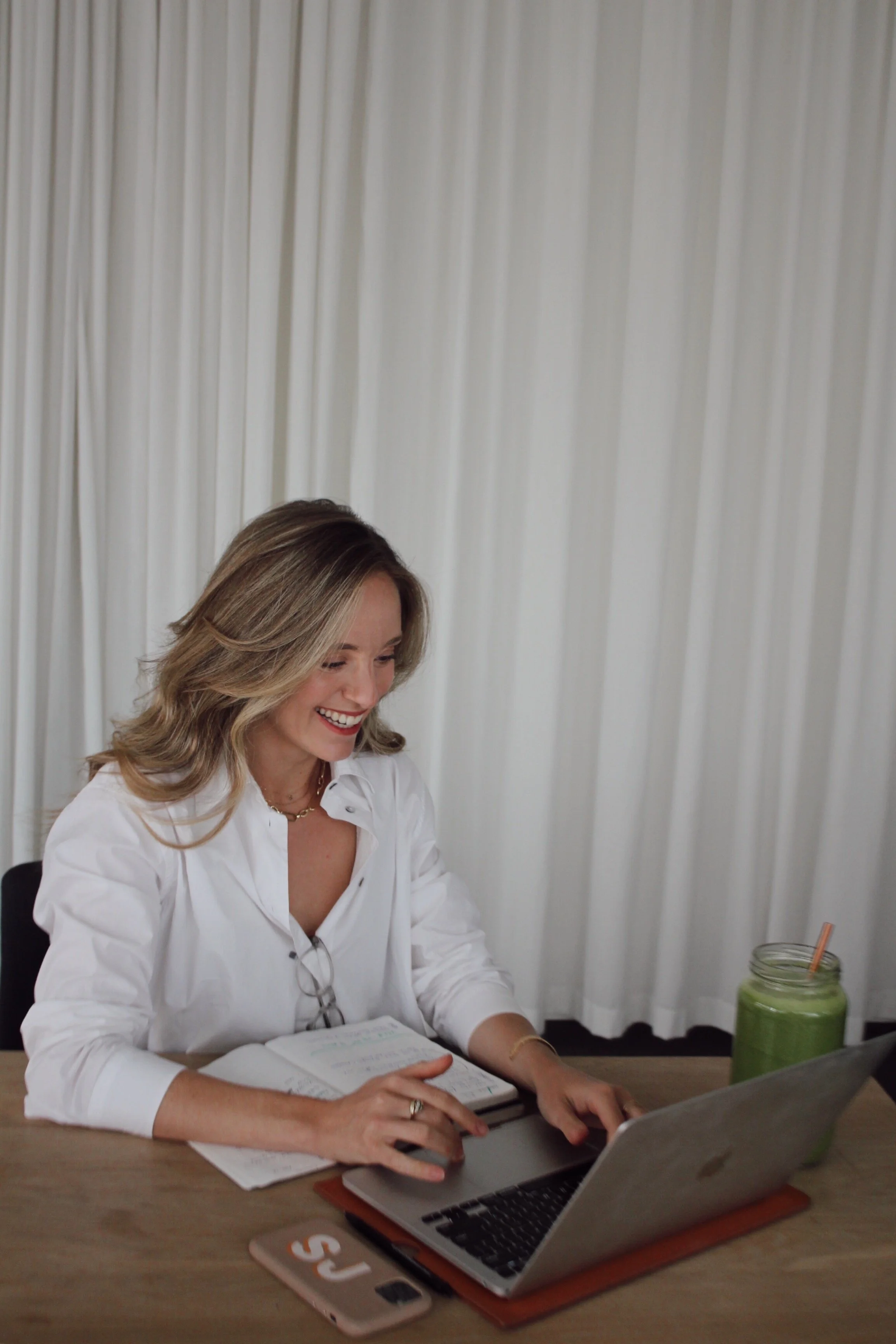
Perhaps you have found your way to this blog post because you recently graduated from The Institute For Integrative Nutrition (IIN) and are starting to set up your own coaching business. Perhaps you are still studying at IIN or are considering doing the course at some point down the track. Whatever it may be, the goal of this post is to provide some guidance on how to set up a successful coaching business and to inspire you in carving out your own path.
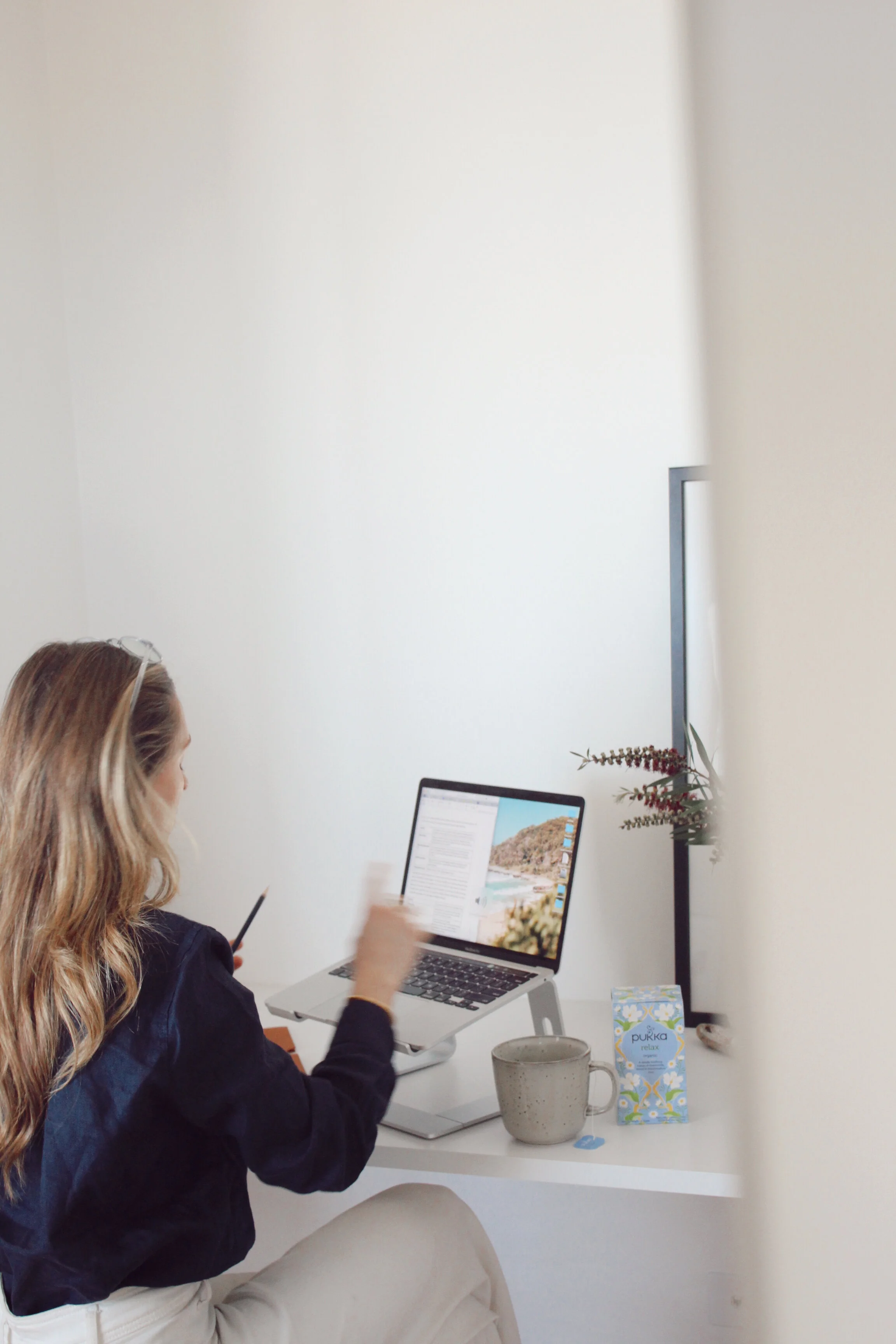
I have been working as a Holistic Health Coach since 2016 and have worked with hundreds of people from around the world helping them take charge of their physical and mental health.
As I’m a strong advocate and supporter of the Institute For Integrative Nutrition - where I studied to get my coaching certification - I routinely get emails from prospective IIN health coaches asking how I’ve built Wholesome Stef and my health coaching business over the years.
And so I wanted to put together a resourceful and insightful blog post distilling some of my health coaching business knowledge that I have acquired of the years, in the hopes that it will help you find the confidence to create your own coaching business. There’s a lot of things that I did right early on, but there are also many things that I wish I would have known or done sooner, and I’ll be sharing all of those lessons with you. So, let’s dive in!
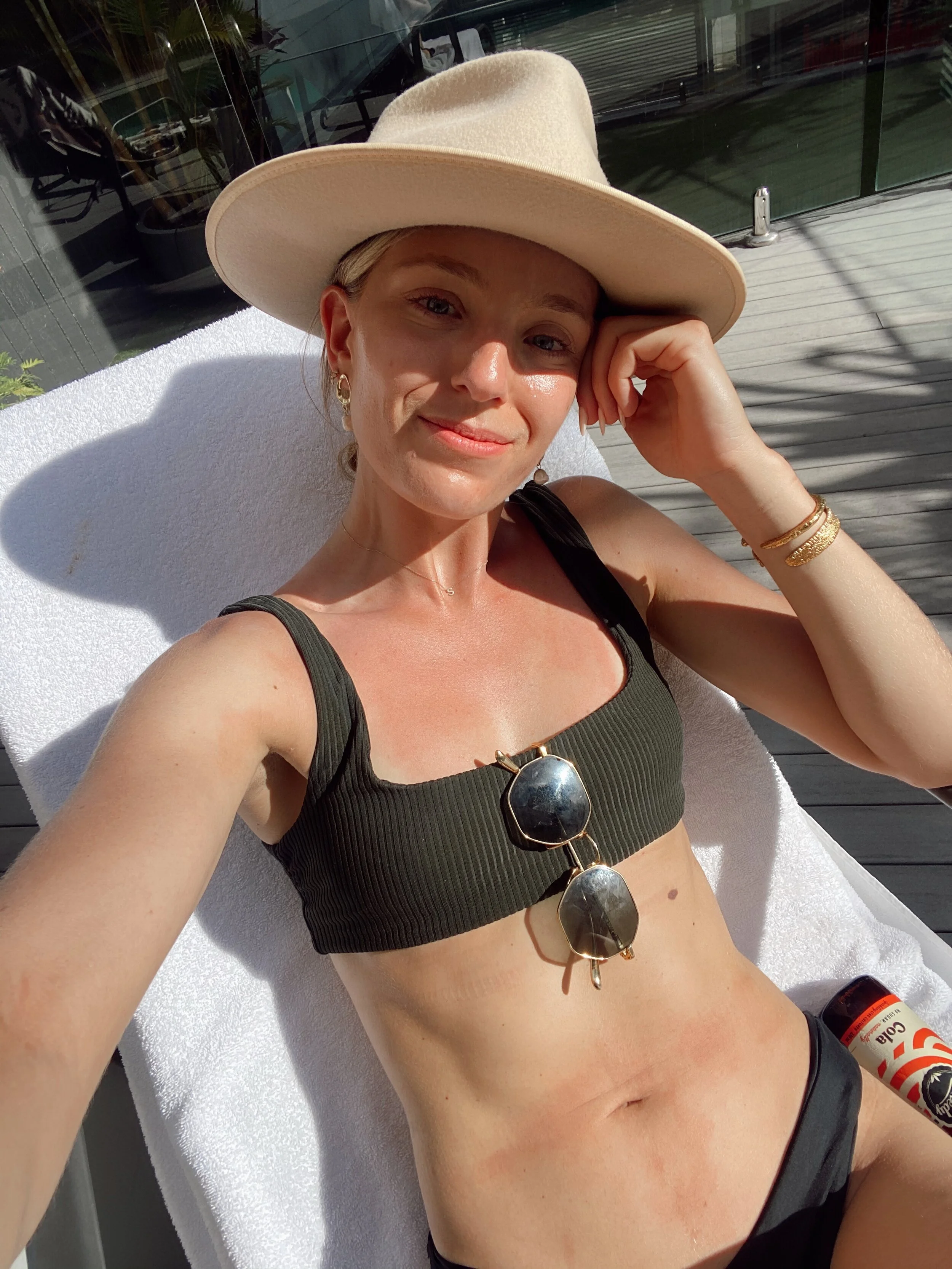
Hi from the itty bitty titty committee. 🙋🏼♀️
I feel like the conversation of small breasts often gets overlooked in the body positivity space. It’s all about embracing your weight, your curves, but what if you’ve got no curves and especially no breasts?!
Why don't people ever talk about small breast and the shaming of flat-chested women? For years, I struggled with this. I felt less of a woman because of my small breasts. Unfeminine. Unsexy. Boyish. Not like a proper adult.
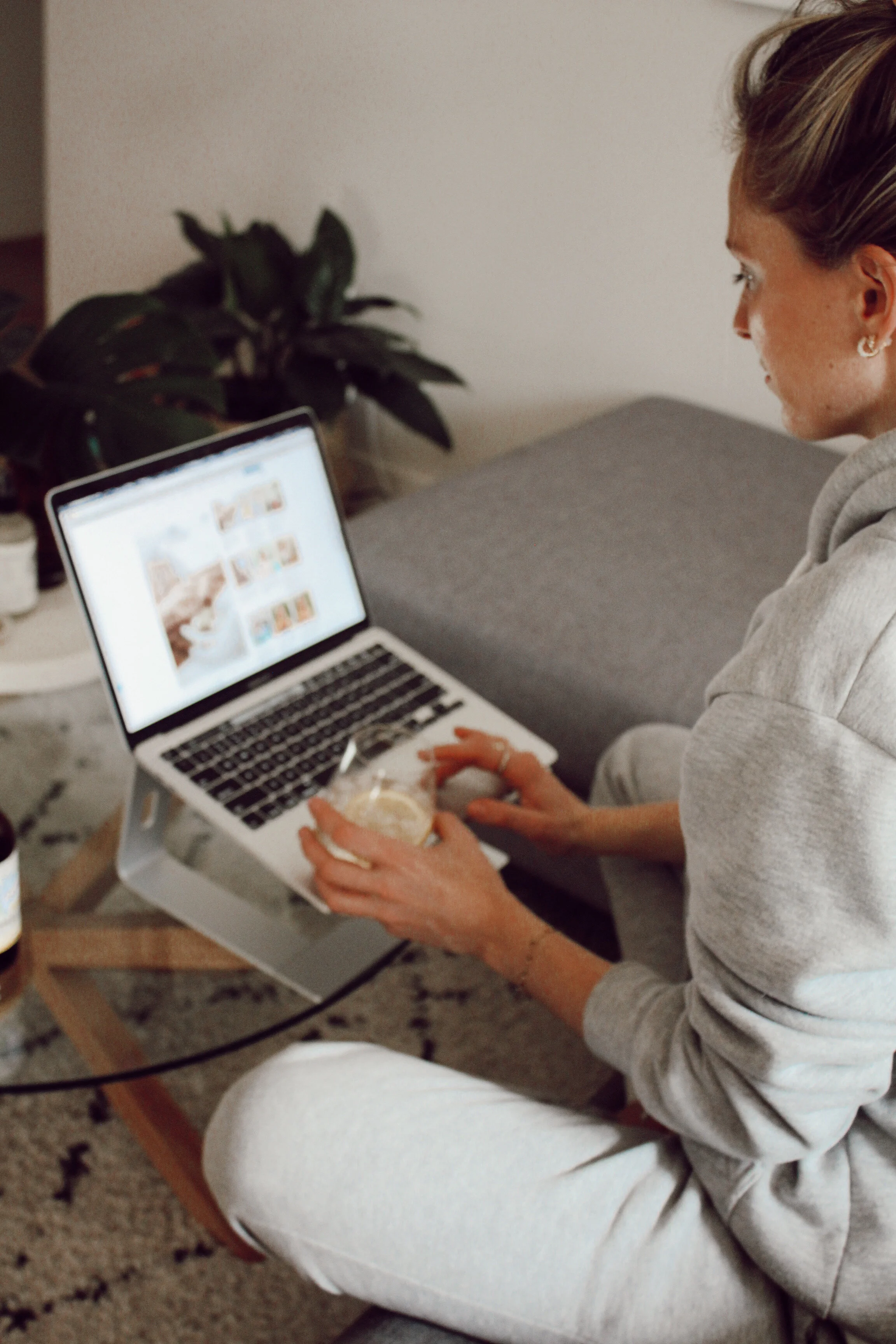
When my journey with binge eating started is hard to define, I think I had a distorted relationship with food as long as I can remember. I only understood I had an eating disorder when I started working with Stef back in 2016. Let me backtrack a few years and take you through my personal journey, I'll try to be as concise as possible but bear with me.
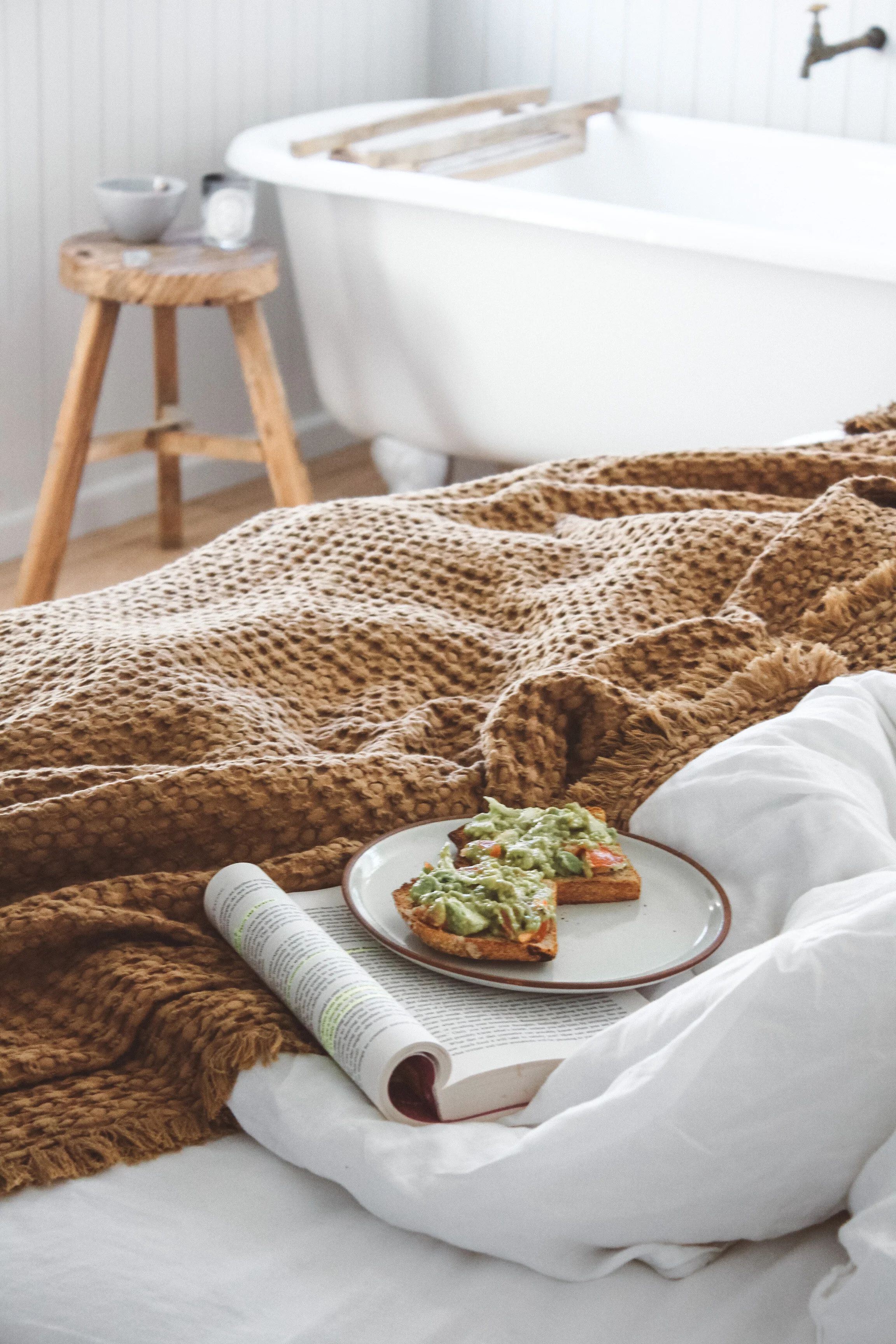
ver had a fight with your boyfriend, or a frustrating day at work, then end up cozying up with a nice cold pint of Ben & Jerry’s at the end of the day? Do you reach out for food to feel better even when you weren’t even hungry? Is your first impulse always to open the refrigerator whenever you’re stressed, upset, angry, lonely, exhausted, or bored?
You may be an emotional eater. Meaning that you’re someone who uses food as a way to deal with feelings (typically negative ones) instead of to satisfy hunger. Instead of seeing food as what it is, i.e. something you consume for survival (like air and water), you misconstrue it into something else.
As I’ve touched on in previous posts, emotional eating is not a sin! When we become stressed, anxious, or worried, it’s only human to gravitate towards food to cope with our emotions. The problem arises when food is the only coping mechanism to dealing with emotions.
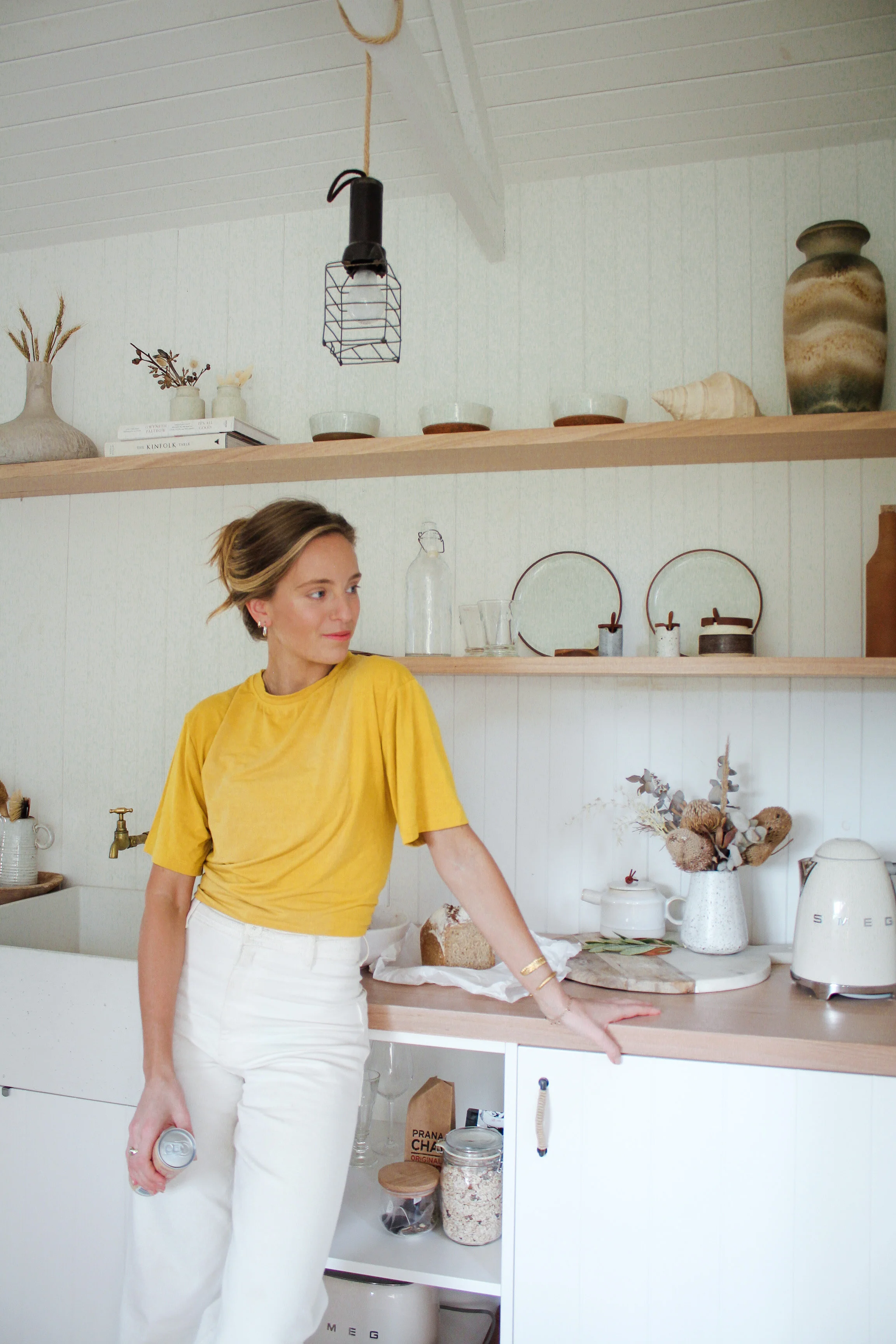
Back in March, I touched on emotional eating during COVID-19. People were just getting used to their new normal - lockdown normal - and they were struggling. Many people entered what I call the “Anything Goes Mindset”. You know, the one where all your food/exercise routines - good and bad - go out the window. Where you find yourself eating at weird times, skipping meals because your schedule is non-existent, giving up on exercise all together and raiding the fridge for comfort food. I noticed this shift in many of my clients and at the same time saw an uptick in coaching requests.
QUOTES
“YOU WILL STOP TURNING TO FOOD WHEN YOU START UNDERSTANDING IN YOUR BODY, NOT JUST IN YOUR MIND, THAT THERE IS SOMETHING BETTER THAN FOOD TO TURN TO.”
“OUR WORK IS NOT TO CHANGE WHAT WE DO, BUT TO WITNESS WHAT WE DO WITH ENOUGH AWARENESS, ENOUGH CURIOSITY, ENOUGH TENDERNESS AND ENOUGH KINDNESS TOWARDS OURSELVES.”
“EAT LIKE YOU LOVE YOURSELF. MOVE LIKE YOU LOVE YOURSELF. SPEAK LIKE YOU LOVE YOURSELF. ACT LIKE YOU LOVE YOURSELF.”
“NO MATTER YOUR SIZE, YOU’LL HAVE GOOD BODY IMAGE DAYS AND BAD ONES. YOUR WEIGHT AIN’T THE PROBLEM HERE.”
“WOMEN’S BODY IMAGE IS A COLLECTIVE ISSUE. OUR SOCIETY SUFFERS WHEN HALF THE POPULATION CHANNELS THEIR CREATIVE ENERGY INTO BEING SMALLER.”
Newsletter Block
This newsletter signup form needs a storage option. Edit the block and enter a storage location via the Storage tab.
Chances are, if we’re taking an all-or-nothing approach to food, we are likely doing this in other parts of life as well. This isn’t just about food. It’s about LIFE and the intimate connection between the way you eat and the way you show up in the world.
As Geneen Roth so beautifully says, ‘Our relationship with food -- how, when, what and why we eat -- is a direct expression of our underlying feelings, thoughts and beliefs about ourselves. It has to do with stances we take that get reflected not only in our relationship with food, but in all our relationships. It just so happens that the relationship with food causes enough conflict, grief, shame and hurt that we're willing to look at it.’